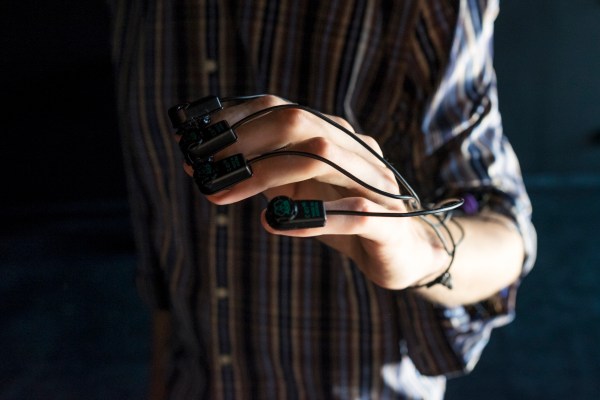
I work as a composer by building systems made of bodies, instruments, machines, and physical forces that interact in unstable ways. Sound, in my practice, is not primarily treated as an object to be listened to, but as an active agent: a force that vibrates, excites, erodes, destabilizes, and reshapes materials, bodies, and spaces.
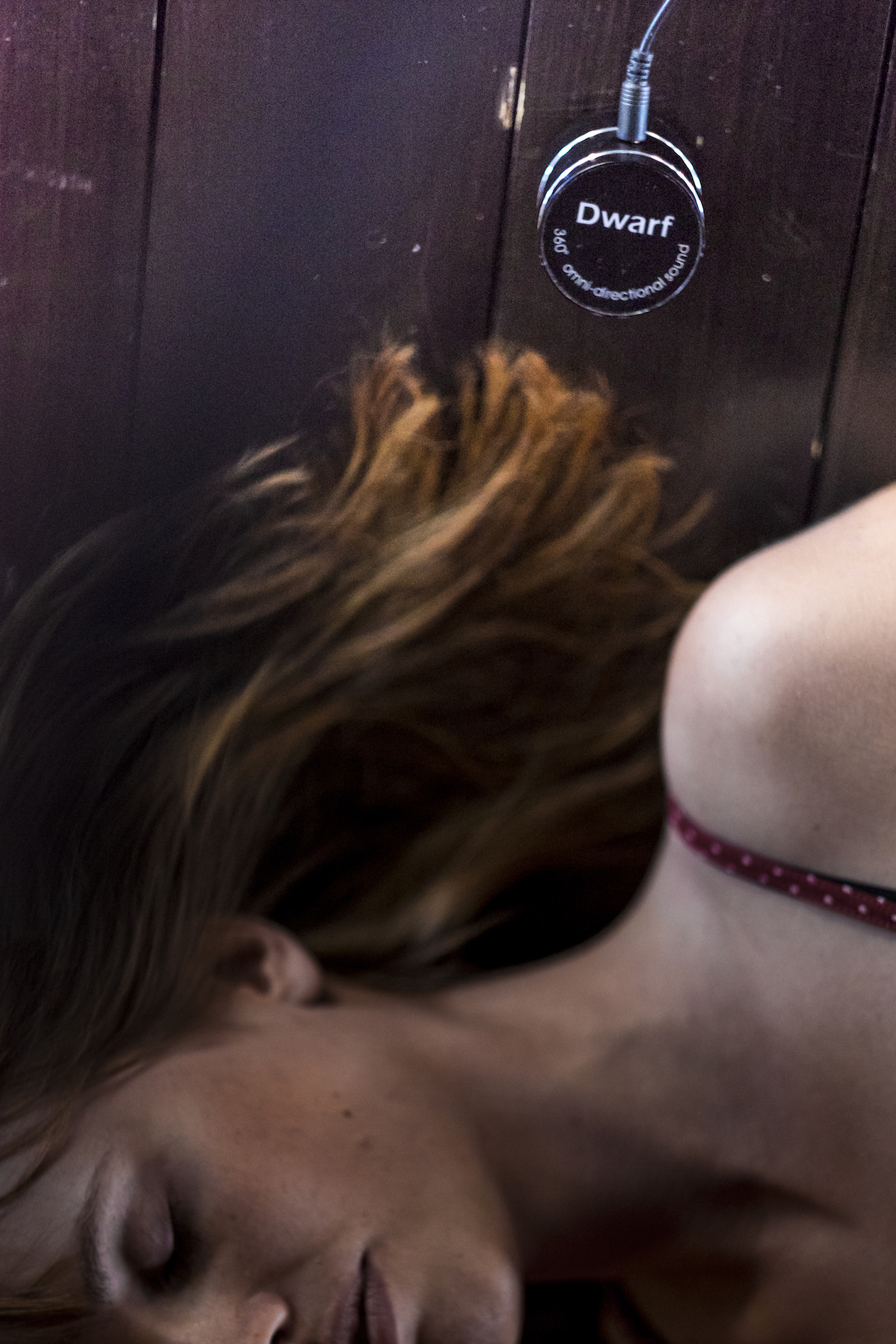
A central aspect of my work is the design and construction of custom-built instruments and electromechanical devices. I work extensively with electronics: motors, solenoids, various kind of speakers, microcontrollers, and custom circuits are often integrated directly into instruments, objects, and mechanical structures. Especially regarding tactile sensation, pieces created in this frame (until ca. 2019) make use of vibration motors or contact speakers, i. e. devices which lack a resonating body but rely on their capability of inducing vibrations into other surfaces (for example wooden planks, canes, or objects such as custom-made wooden spheres or chairs),
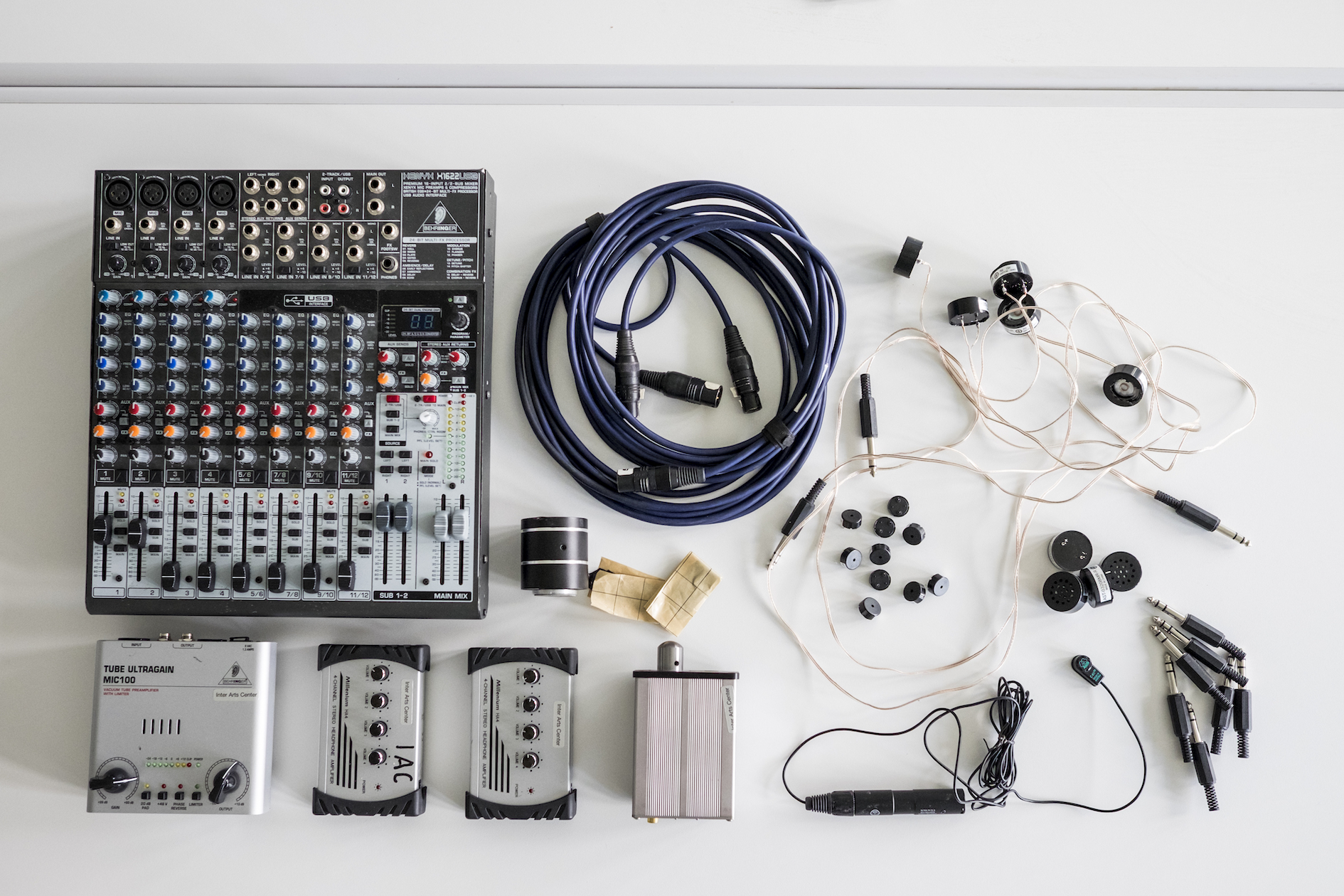
This approach has its roots in earlier installation-based works, with the aim of creating environments or listening experiences. In projects such as Sound Fossils, I was constructing machines that translated physical or geological phenomena into material processes. Seismographic data, erosion patterns, flows of water, or recorded vibrations were mapped onto mechanical actions: shaking, carving, dripping, wearing down matter over time. These works were not representations of sound, but compositional processes unfolding in real time, where time itself was treated as a material, through a geological perspective.
That same approach continues today in my instrumental and performative work. A seismic trace becoming mechanical movement is for me an instance of a compositional logic, a practice of physical transduction, where abstract data are converted into forces acting on real systems.
I understand sound as something that acts rather than something that is consumed. In many of my works, sound was used to excite structures, induce resonances, or generate vibrations that are felt before they are heard. This approach directly informs my work with vibration-based devices attached to acoustic instruments, where the instrument itself becomes the resonating body for electronic sound. In these situations, the distinction between acoustic source, electronic processing, and loudspeaker collapses: the instrument is both generator and diffuser.
The concept of the expanded body is central to my practice, in a non-metaphorical sense. The performer’s body, the instrumental body, and the machine form a single coupled system. Through mechanical extensions, prosthetic elements, and embedded devices—often fabricated through 3D printing or custom machining—the organology of instruments is altered, and new modes of interaction are introduced. Control is partially lost, redistributed, or delegated to the system itself. Sometimes, instability, resistance, and unpredictable behavior are not errors to be corrected, but compositional materials.
This leads to situations where the performer is no longer a sovereign controller of the instrument, but one component within a larger mechanism. Breathing, muscular effort, mechanical latency, and automated processes interfere with one another, producing conflicts and emergent behaviors. In several works, human input is deliberately disturbed or counteracted by automation, generating tension between intention and outcome. See as a reference: Intorno alla traccia, Epicentro, Rondò.
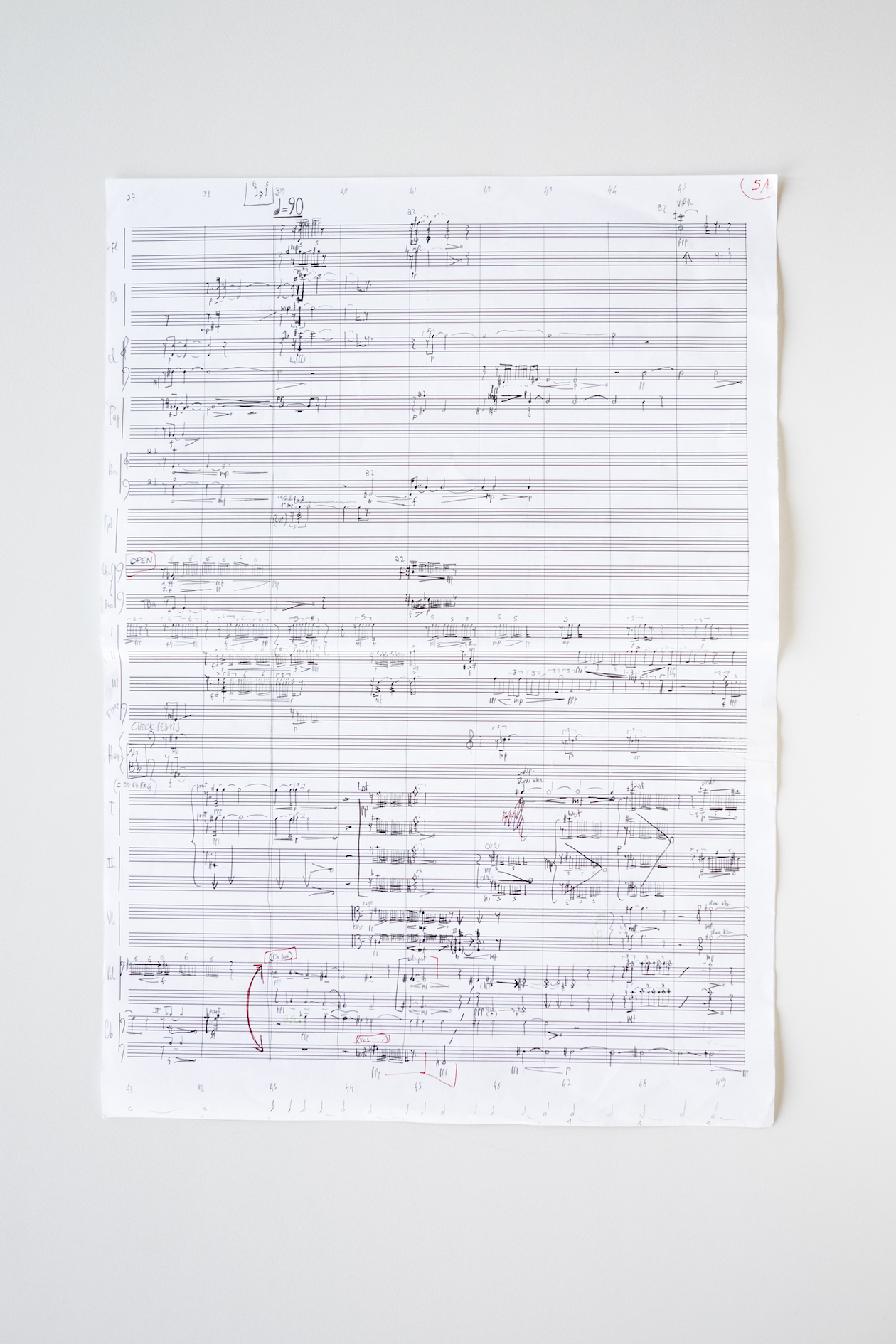
Sound sources are often displaced, distributed, or implemented through unconventional transducers. Directional speakers, mechanical motion, and spatial separation of performers create listening situations in which sound is fragmented, localized, or physically imposed on the listener’s body. This spatial thinking derives both from my work with vibration-based sound and from practices of sound diffusion on the Acousmonium..
Across composition, instrument building, and machine design, my work investigates how sonic systems behave when bodies, materials, and technologies are tightly coupled. I construct situations in which sound emerges from the interaction of forces, where agency is shared, and where the relationship between action, perception, and sonic result generates instability, collaboration, conflict.
© All pictures by Michela Benaglia
 Alessandro Perini